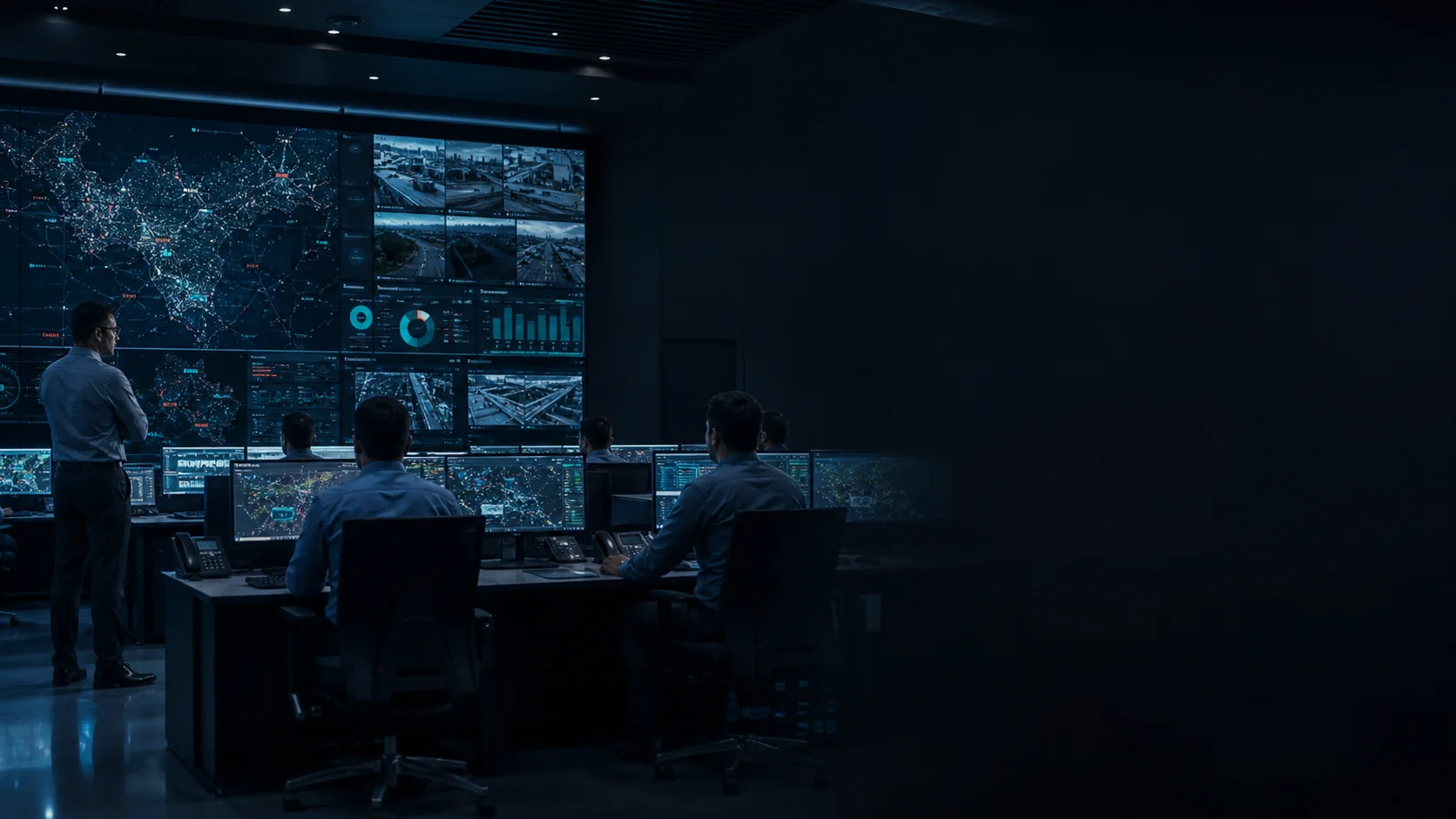
Source integration
Video, maps, telemetry, alarms, calls, tickets, weather, field systems, and the rules that make the operating picture relevant.
 Start a brief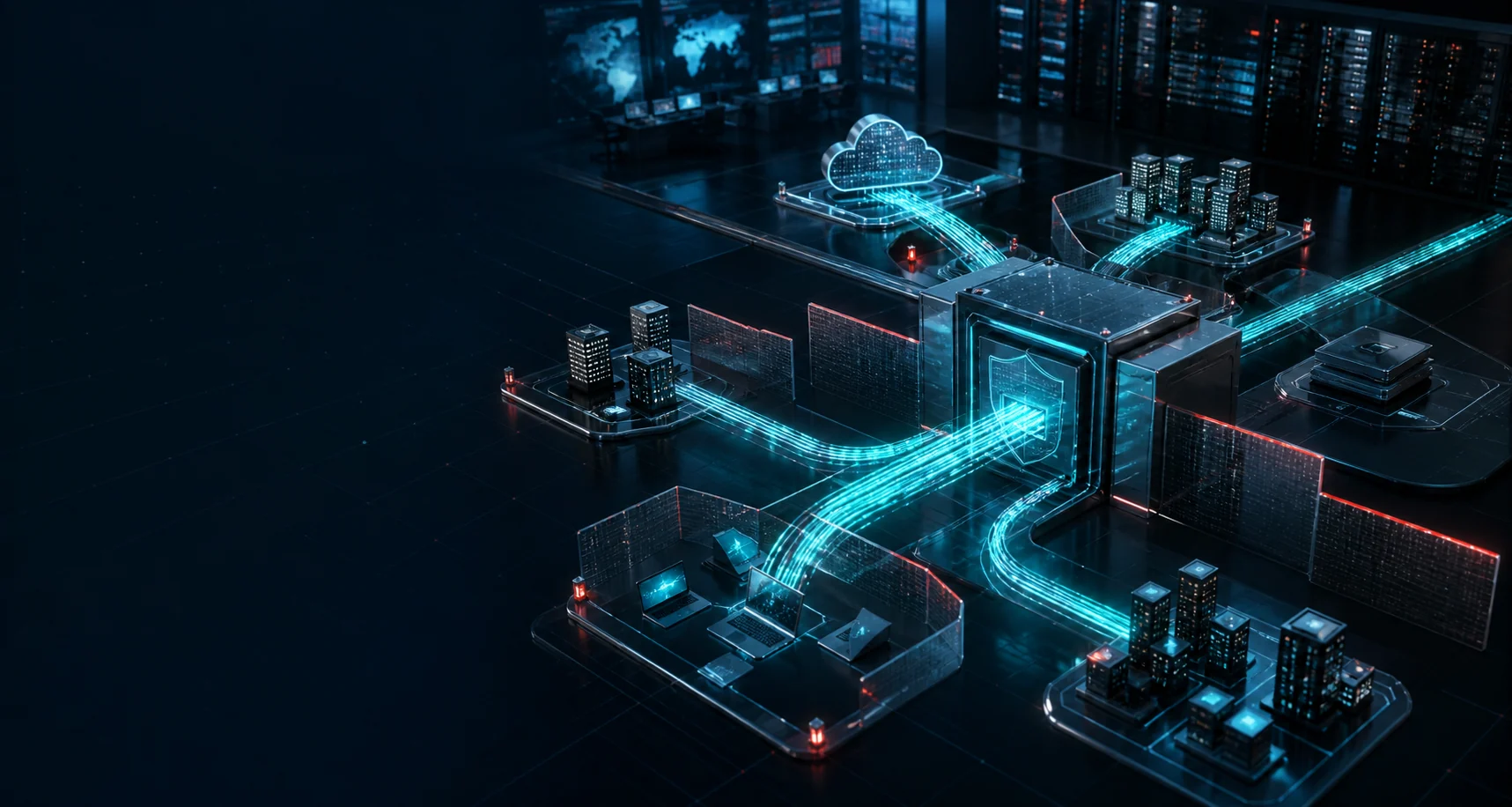
Command Centre / See, understand, act
One place to see what is happening, understand it quickly, coordinate teams, and act during an incident.
The customer / market / ecosystem bridge
A Command Centre is a decision environment that brings sources, people, workflows, communications, and resilience together under pressure.
Customer language
One place to see what is happening, understand it quickly, coordinate teams, and act during an incident.Market language
NOC, SOC, ICCC, emergency operations, incident management, operational intelligence, and control-room visualisation.
Ecosystem alignment
Workflow, visualisation, operator experience, resilience, surveillance, AV, networking, and application specialists.
How SECCOM frames it
The architecture is more than a wall: source integration, data and video, network, operator experience, room control, workflow, communications, resilience, and the shift handoff must work as one system.
Deployment modes
Architecture signal / Command Centre
Video, maps, telemetry, alarms, calls, tickets, weather, field systems, and the rules that make the operating picture relevant.
Architecture stack
The page names the layers that have to agree before a BoM can become a supportable system.
Video, maps, telemetry, alarms, calls, tickets, weather, field systems, and the rules that make the operating picture relevant.
Video walls, workstations, layout, audio, collaboration, control, accessibility, and the information hierarchy that keeps attention useful.
Incident models, ownership, escalation, communication, field action, records, and the point where awareness becomes responsibility.
Redundant power and paths, degraded modes, recording, cyber controls, runbooks, shift change, training, and evidence of what happened.
Industry slants
These are not separate silos. They are the pressures that change the priorities, operating model, and acceptance criteria inside the solution.
Government & Defence
Many agencies, sensitive sources, public consequence, and response ownership need a clear operating picture that survives an incident.
Energy & Utilities
Distributed assets, communications, telemetry, safety, maintenance, and restoration decisions need one resilient environment.
Transport & Logistics
Movement, safety, weather, infrastructure, passenger or freight impact, and response teams need coordinated context.
Enterprise & GCC
NOCs and SOCs need ergonomics, alert quality, service ownership, automation, and evidence that help a team work the shift consistently.
Point applications
Use case
Bring city, agency, field, and public-service signals into a decision environment that can assign and record the next action.
Open the working situationUse case
Make infrastructure health, service impact, dependencies, and remediation visible before a fault becomes a story.
Use case
Give security operators the data, workflow, collaboration, and escalation path to contain the incident.
Open the working situationUse case
Connect movement, safety, events, and field response so the operator can intervene before congestion becomes disruption.
Public OEM evidence
Each signal is a short, paraphrased reading of an official public source. It is evidence for the design conversation, not a partnership or authorised-status claim.
Trusted technology advisor
SECCOM is a trusted technology advisor when the room has to help people decide, not merely observe. Our 100% record of customer centricity keeps the architecture honest about authority, operator ergonomics, degraded modes, and the handoff after the incident.
Next vector
Bring the requirement, the existing environment, or the specification. We will help you decide what to keep, change, or challenge.